
As Calgary’s climate changes and its population ages, preparing for extreme weather means understanding how these challenges affect people differently. For older adults, particularly newcomers and seniors from immigrant and ethnocultural communities, extreme heat and cold can bring added challenges, including language barriers, mobility limitations, social isolation and limited access to reliable information and support.
The Colours of Compassion Society is working to address these challenges by bringing older adults and their families together to explore how climate change interacts with aging—and what communities can do to help.
Through discussion, the first workshop allowed participants learn from one another and begin identifying practical ways to stay safe and connected as Calgary’s climate changes.
Starting with conversation
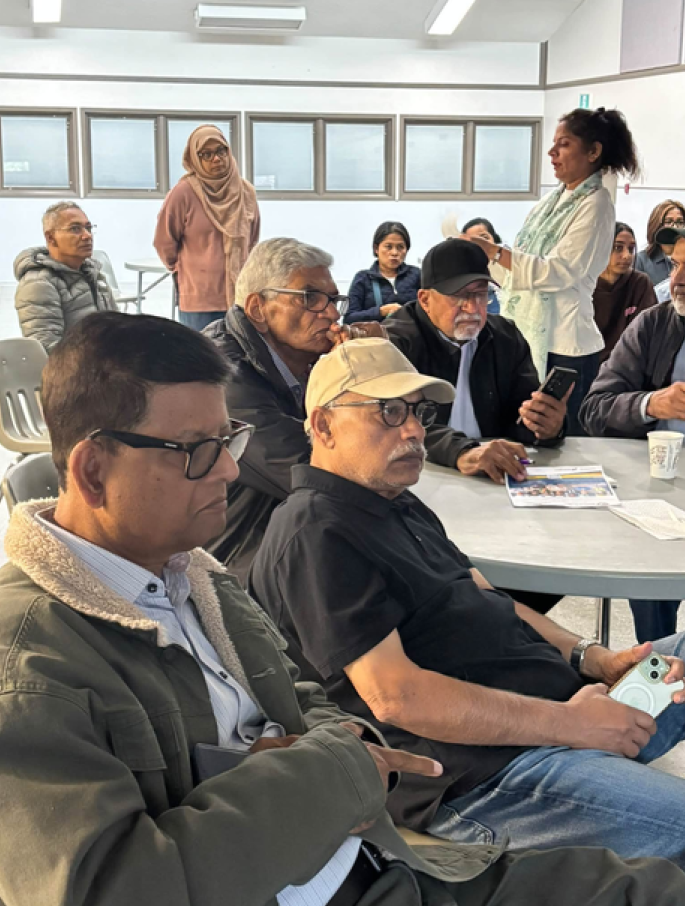
The workshop invited participants to share their experiences through conversation circles. These discussions created space for older adults to talk about how extreme weather affects their health, mobility, daily routines and ability to participate in community life.
The conversations highlighted an important concern: staying home may feel like the safest option during extreme weather, but spending more time indoors can also lead to loneliness, isolation and reduced emotional wellbeing.
Participants described how icy sidewalks and roads can increase the fear of falling, while extreme cold can make driving difficult or leave people worried about getting stranded. During periods of extreme heat, physical discomfort, weakness and dizziness can make outdoor activities feel unsafe. For some older adults, these challenges can mean fewer outings, less social interaction and a growing sense of isolation.
The discussions also highlighted concerns about reduced independence and difficulties accessing transportation, essential services and community activities when weather conditions become challenging.
Turning awareness into action
The workshop also focused on practical ways older adults and their families can prepare for extreme heat and recognize when someone may need help.
Participants learned to recognize warning signs of heat-related illness, including warm skin, headaches and dizziness, as well as more serious symptoms such as fainting, confusion and disorientation. They discussed the importance of drinking water regularly, even when they do not feel thirsty, finding ways to stay cool and paying attention to changes in how they feel during hot weather.
The importance of individualized health advice was also emphasized. Older adults were encouraged to speak with their family physicians about how existing health conditions and medications may affect hydration and the body’s response to heat. When heat stroke is suspected, or serious symptoms occur, calling 911 is essential.
These conversations reinforced that a big part of climate preparedness is having the knowledge, support and connections needed to respond safely when conditions change.
Making climate information accessible to everyone
For seniors from immigrant and ethnocultural communities, preparing for extreme weather can be more difficult when information is not available in a familiar language or when financial, mobility and social barriers limit access to support.
That is why Colours of Compassion Society is using a ClimateReadyYYC grant to take a community-based approach, aiming to make climate and health information more accessible, culturally relevant and connected to the support people already trust.
Want more from ClimateReadyYYC?
Click below to see more stories, project ideas and grant information.